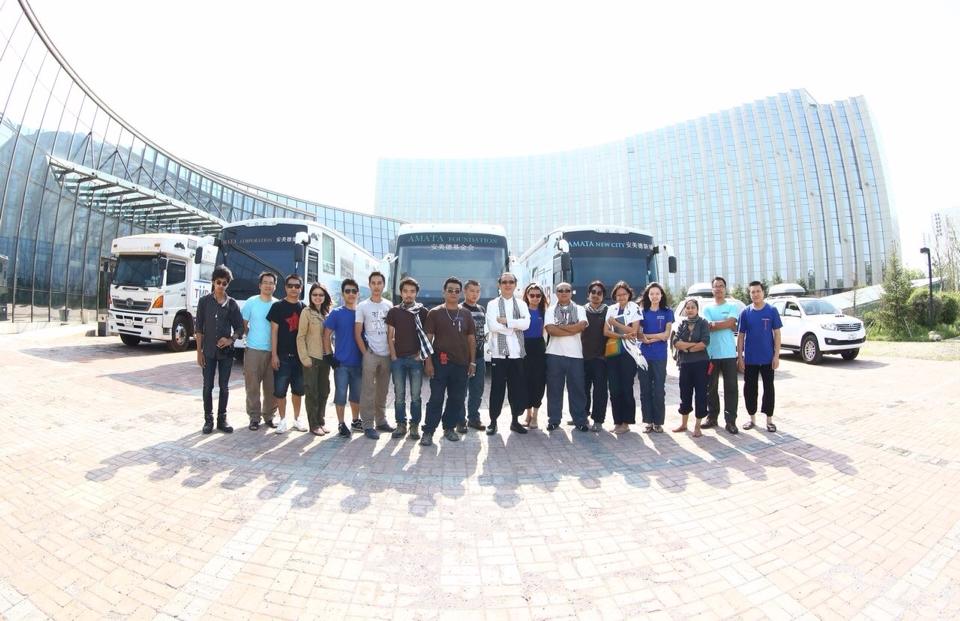
What do you get when you take one eccentric Thai billionaire, add an obsession to…
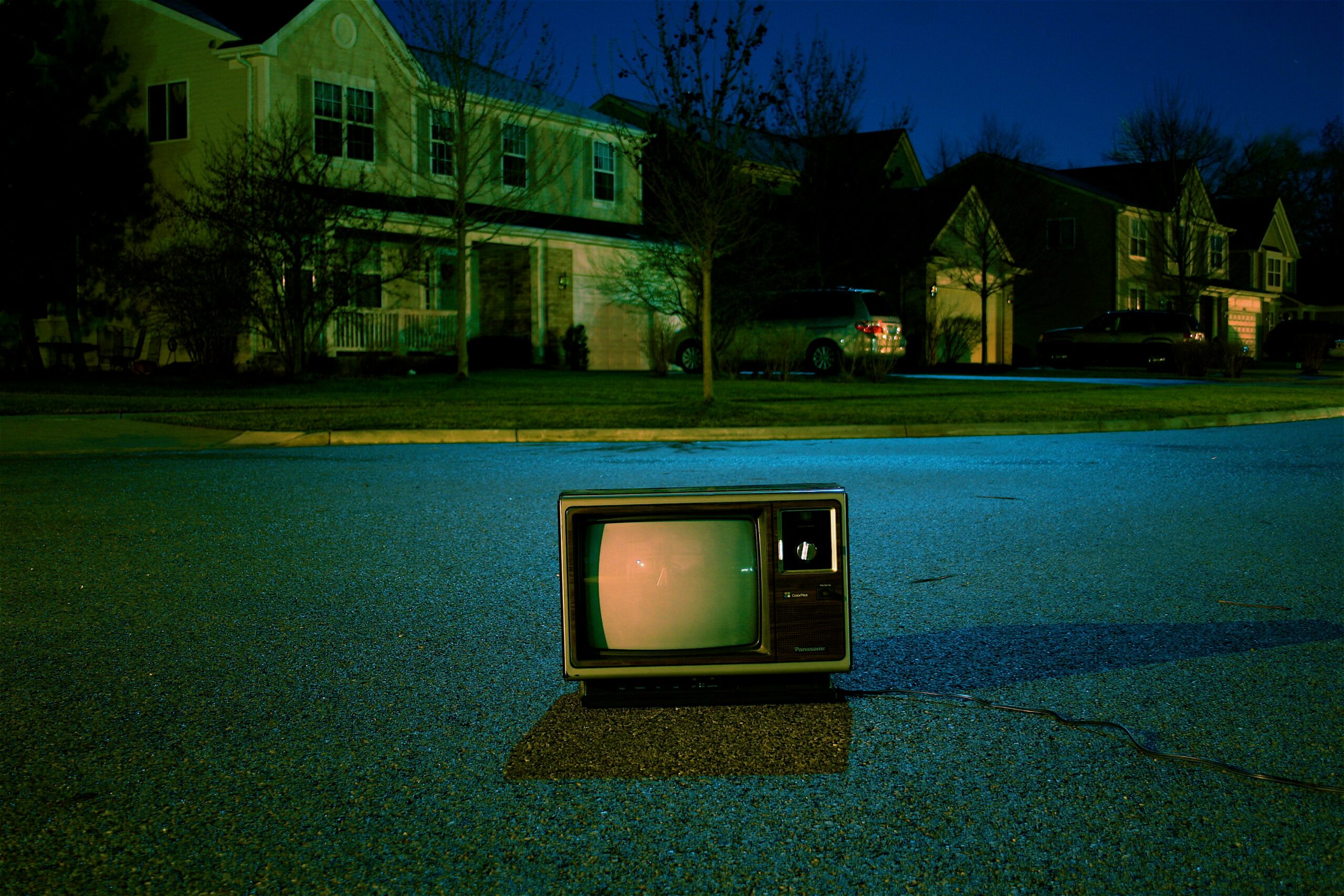
The Television Is No Longer the Most Important Part of Television
For most of television history, answering the question “Where can I watch it?” was easy.
There was a network. There was a channel. There was a time.
If you missed it, you missed it.
That world hasn’t disappeared. Re Media continues to work with leading broadcast networks around the world, and traditional television remains one of the most powerful ways to reach large audiences.
But it is no longer the whole story.
Today, professionally produced television can appear on a major broadcaster, stream on Prime Video, live on a dedicated channel such as Access Luxury on Roku, and reach audiences in ways that would have seemed extraordinary when we began producing television decades ago.
What’s most interesting, however, isn’t the technology.
It’s what the technology has done to the audience.

Viewers Don’t Think About Distribution. They Think About Stories.
The television industry spends enormous amounts of time talking about platforms.
Broadcast. Cable. Streaming. FAST. Connected TV. On-demand.
Most viewers don’t.
They simply want to watch something they care about, on the device they happen to be using, at the moment they want to watch it.
That may be a television in the living room. It may be a laptop in a hotel room. It may be something they discovered through a streaming menu after dinner.
The delivery mechanism matters enormously to those of us who make and distribute television.
To the audience, increasingly, it is invisible.
And perhaps that is one of the biggest changes television has undergone.
The future of television isn’t broadcast versus streaming. It is great programming being available wherever the audience chooses to watch it.
Television Didn’t Die. It Escaped the Television Set.
For years, predictions about the future of television have tended to be dramatic.
One technology would supposedly kill another. Streaming would replace broadcast. Linear television would disappear. The television set itself would somehow become irrelevant.
That hasn’t been our experience.
Instead, television has expanded.
Broadcast still has the ability to create enormous shared audiences. Streaming gives viewers extraordinary control over when and where they watch. Connected television platforms make highly targeted channels available alongside some of the biggest entertainment brands in the world.
These aren’t necessarily competing versions of television.
They are different doors into the same room.
At Re, we have watched that transformation happen first-hand.
We have produced programming for broadcasters around the world. Our shows have streamed through global platforms such as Prime Video. Access Luxury gives audiences another way to discover our programming through Roku.
Each platform is different.
The fundamental challenge is not.
You still have to give people something worth watching.
Technology Changes Faster Than Human Curiosity
Cameras have changed.
Editing has changed.
Distribution has changed dramatically.
The audience has more choice than at any point in television history.
But after decades of producing stories around the world, we have also learned that some things change remarkably little.
People are still curious.
They still want to see places they have never visited.
They still want to meet interesting people.
They still want to experience food, culture, travel, adventure and ideas through someone else’s eyes.
And they still respond to personality.
Technology can make a program easier to find. It can make it available in more places. It can deliver it instantly to millions of screens.
It cannot make an audience care.
That part of television remains stubbornly human.

The Screen Matters Less. The Relationship Matters More.
Perhaps the biggest shift is that television is no longer defined by the object sitting in the corner of the room.
It is defined by the relationship between a story and its audience.
That is why we believe the distinction between “traditional television” and “streaming television” will continue to matter less.
The real opportunity for producers, broadcasters and platforms is not choosing one side or the other.
It is understanding how audiences behave now.
They expect choice.
They expect quality.
They expect access.
And when they find something they love, they don’t particularly care which technological path brought it to them.
For producers, that should actually be liberating.
Because beneath all the disruption, television remains what it has always been at its best: a remarkable way to take someone somewhere they have never been, introduce them to someone they have never met, and make them care about a story they didn’t know existed.
The television may no longer be the most important part of television.
The story still is.
After decades of producing television around the world, one thing hasn’t changed: audiences will follow a great story.
What has changed is that now, the story can follow them too.

Related Posts